 Formerly Conklin & Ward Dental Group
and Kevin G. Murphy & Associates
Our Baltimore team is committed to using the safest and most conservative treatments available for gum disease. That is why we always seek non-invasive and minimally invasive options whenever possible. However, there are situations where osseous surgery stands out as the best method for addressing moderate to severe gum disease. This advanced procedure targets harmful bacteria and helps restore a healthier oral environment. Would you like to know more about what osseous surgery involves? Continue reading below or contact our office to schedule your personal consultation.


Osseous surgery allows us to remove harmful bacteria from the deep pockets between your teeth and gums. We also reshape the supporting bone to reduce areas where bacteria tend to gather. (The term “osseous” can describe anything having to do with bones, which helps you understand the name of this procedure.) By combining deep cleaning with bone reshaping, osseous surgery provides an effective solution for many cases of moderate to severe gum disease.
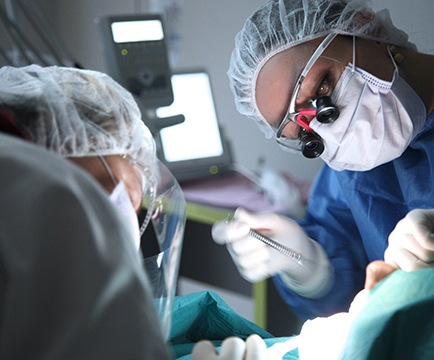
Your comfort is one of our top priorities! We will use local anesthesia to numb your mouth fully and prevent pain. If you have heightened sensitivity or feel anxious, our team can provide sedation to help you remain calm throughout the process.
After you are comfortable, we will make small incisions in your gums and gently fold them back to gain clear access to your tooth roots. We will thoroughly clean away the plaque, tartar, and bacteria that contribute to gum disease. Next, we will reshape the bone surrounding your teeth to eliminate pockets where bacteria collect. In some instances, we may place bone grafts or regenerative membranes to help encourage the growth of new, healthy tissue. Once all steps are complete, we will carefully reposition and close your gum tissue.

While there are several ways to treat gum disease, osseous surgery offers distinct advantages for the right candidates:

Proper aftercare plays a crucial role in your recovery after osseous surgery. You should: