Tooth Extractions – Baltimore, MD
Preserving Your Smile by Removing Problem-Causing Teeth
Severely damaged and decayed teeth that can’t be treated can put your other healthy teeth at risk if the issue isn’t addressed. We’ll always try to preserve your natural teeth whenever possible, but in some situations, the best thing we can do for your smile is to remove a tooth. We offer pain-free tooth extractions in our Baltimore, MD dental office and several ways to help restore your smile to be fully functional and healthy.

Why Choose Baltimore Dental Arts for Tooth Extractions?
-
Start-to-Finish Dental Implant Treatment
-
Prosthodontic Specialist On-Staff
-
Dental Sedation Methods Available
Reasons Why Tooth Extractions Are Necessary

The most common reason for extracting a tooth is because we can’t save it with dedicated restorations or root canal therapy. Teeth typically become too damaged to save for the following reasons:
-
Severe tooth decay or gum disease (the latter is the most common cause of tooth loss in adults)
-
Major damage as a result of a physical injury (typically occurs when a protective mouthguard is not worn while playing sports)
-
The tooth has become impacted (or trapped underneath gum tissue or an existing tooth)
-
To make room for orthodontic treatment or a future restoration (such as a denture)
Keep in mind that we want to do everything possible to protect the health of your mouth first, which in certain circumstances could require the removal of a tooth. This is most common when an infection or other oral health problems that can spread have developed.
The Process of Removing a Tooth
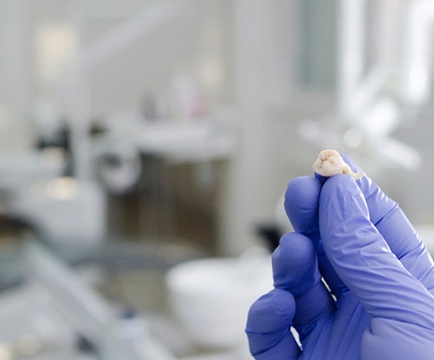
Removing a damaged tooth that exists above the gum line is a relatively simple process. Before starting, we’ll inject a local anesthetic into the area to make it completely numb. We’ll then gently shift the tooth out of its socket using a special instrument called an elevator. Once it breaks free, we’ll gently lift it out of your gums with a pair of dental forceps. To restore your smile, we offer several different tooth replacement solutions, like dental implants, and will be more than happy to walk you through your options after your procedure!
Tooth Extraction Aftercare

It’s essential that you practice thorough aftercare following your tooth extraction to keep your mouth healthy and prevent any complications from occurring. Thankfully, this is a relatively straightforward process. Keep the following tips in mind after you leave and feel free to call us at any time if you have questions:
-
Take all medications as prescribed by our office
-
Avoid using tobacco, drinking out of straws, or spitting with force (which can dislodge the blood clot that has formed over the treatment site)
-
Keep your head elevated while sleeping to promote healing
-
Get plenty of rest and drink fluids throughout the day
-
About 24 hours after your procedure, rinse your mouth out with a homemade solution of warm saltwater
-
Practice your routine brushing and flossing while avoiding the treatment site
Once you’re fully healed, you’ll want to start thinking about your options for replacing your tooth. This could involve a traditional bridge or a modern dental implant for better longevity, function, and esthetics.
Understanding the Cost of Tooth Extractions

We’ll only recommend a tooth extraction if we truly believe it’s necessary for protecting your oral health. As such, as soon as you find out that you need this procedure, you should start taking steps to make sure that you will be able to fit it into your budget. The price of a tooth extraction isn’t set in stone, but our team can create an estimate for you during your initial consultation. Below is some important information about the cost of tooth extractions and ways you can make paying for the treatment easier.
Learn More
Factors That Can Affect Tooth Extraction Cost
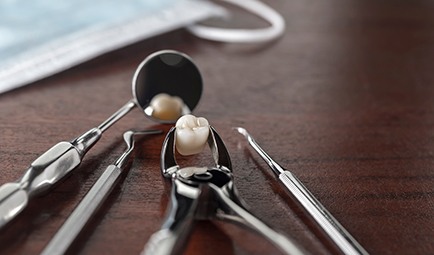
The tooth extraction process will be personalized according to your needs, so it should be no surprise that the amount you pay can vary as well. Below are a few of the factors that can have an impact on the final cost:
-
The Location of the Tooth: A tooth near the back of your mouth tends to be more costly to remove compared to a front tooth due to the increased complexity of the procedure.
-
The Number of Teeth Being Removed: You may need to have multiple teeth removed at once, which naturally carries a higher cost than having just one tooth extracted.
-
Whether the Extraction is Surgical: A tooth that is partially or fully impacted will need to be removed surgically, thus resulting in a more costly procedure.
-
The Chosen Method for Replacing the Tooth: There’s more than one way to replace an extracted tooth, such as with a dental bridge or a dental implant. Whichever method you choose will come with its own price tag.
-
The Use of Sedation: Some patients are nervous about having a tooth extraction performed and choose to undergo sedation to help them relax. We offer three kinds of sedation (nitrous oxide sedation, oral conscious sedation, and IV sedation), and each one can add to the cost of your procedure.
Does Dental Insurance Cover Tooth Extractions?

Many dental insurance plans will pay around 50% of the cost of a tooth extraction procedure. Note that this percentage isn’t necessarily universal; you should review the details of your plan to confirm what level of coverage is available for the treatment that you need. Be sure to take note of any other aspect of your insurance plan that could impact your out-of-pocket costs, such as the deductible or the annual maximum.
We care about making sure you get the most out of your insurance. If you have any questions about your plan, we’re more than happy to answer them. When it comes to filing the necessary insurance claims, our team will take care of the paperwork so that there’s one less thing for you to worry about.
At Baltimore Dental Arts, we’ll do everything we can to make the tooth extraction process as comfortable as possible, and we’ll help you navigate the cost of the procedure to make sure it doesn’t put too much strain on your wallet.
Tooth Extraction FAQs
Does Getting a Tooth Extracted Hurt?
The number one reason many patients won’t consider getting a tooth extracted, even when they need it, is because they believe it will hurt. At Baltimore Dental Arts, your dentist will do everything they know to help you feel comfortable and relaxed during your procedure. Thankfully, with modern anesthetics your mouth will be numbed to minimize discomfort. In fact, most patients say the most pain they have is in the first couple of days after the treatment. However, with proper pain management through medication and following your dentist’s aftercare instructions, you can ensure a more comfortable recovery.
Can I Leave the Space Empty After a Tooth Extraction?
Sometimes, patients wonder if they can leave the empty space between their teeth. After all, if no one can see it, does it really matter if it gets replaced? Yes, it does! Your smile is for far more than looking at. Each tooth in your mouth has a specific function from cutting and tearing to grinding your food. With missing teeth, it becomes harder to chew and process your meals into a digestible state. This could lead to indigestion or reflux, further damaging your teeth. Because of this, it’s recommended to replace your missing teeth as soon as possible.
What Are My Options for Replacing a Missing Tooth?
Depending on how many teeth you have extracted and where they are positioned, you may have several options for tooth replacement. For example, a dental bridge can replace one or two missing teeth in a row. However, there must be healthy teeth to attach to on either side of the gap. Dentures are another great tooth replacement option that many patients turn to if they have multiple missing teeth. These prosthetics can even replace an entire dental arch, helping to rebuild your smile seamlessly. Finally, there are dental implants. These titanium fixtures are placed into your jawbone and fuse with it. Afterward, the implant can be used to anchor a single crown, a bridge, or even dentures!
What Can I Do to Speed Up the Healing Time?
The most important thing you can do to speed up healing time is following your dentist’s pos-care instructions. Here’s a general list of steps you can take to ensure a speedy recovery process:
-
Get plenty of rest. This means no strenuous exercise or activity for the first 24 hours.
-
Don’t touch the formed blood clot with your hands or tongue.
-
Avoid acidic or spicy foods as they can irritate the extraction site. Stick to soft, bland foods for at least the first 24 hours.
-
Don’t drink through straws or create suction in your mouth, this could dislodge the clot and lead to a painful condition called dry socket.
-
Continue your oral hygiene routine but use warm salty water to rinse. Be very gentle and don’t spit, let the water fall from your mouth.
How Should I Prepare for My Tooth Extraction?
Preparing for your tooth extraction is just as important as following your aftercare instructions. Before your procedure, be sure to ask your dentist about any questions that you have, like what to bring and what to eat beforehand. If your dentist has any specific instructions, like sticking to water the morning of or picking up procedure medication, do so beforehand. If you are receiving sedation, you should also arrange for a trusted friend or family member to drive you home.
What Risks Are Involved with Tooth Extractions?
The good news is that tooth extractions are considered to be very safe. That being said, every dental procedure comes with some risks. With tooth extractions, the primary one is infection, which can spread throughout your body if it isn’t handled right away. Dry socket is another risk, which can be painful and delay the recovery process. By closely following your aftercare instructions, you can lower your risk of these complications.
Can I Smoke After Getting a Tooth Extracted?
Tobacco products, like cigars, cigarettes, and e-cigarettes, can delay healing, so you shouldn’t smoke immediately following your tooth extraction. It is recommended that you abstain from smoking for at least five days afterward. However, if you can, you should avoid smoking for about two weeks. If you have had difficulty quitting in the past, don’t hesitate to let us know. This way, we can help you prepare in advance.
What’s the Difference Between Tooth Extractions and Wisdom Tooth Surgery?
Although both procedures involve pulling a tooth, tooth extractions and wisdom tooth surgery are different. One of the most obvious differences is that while wisdom tooth surgery is designed to remove the third set of molars, tooth extractions can remove any tooth that is irreparable or causing overcrowding. Another difference is that wisdom tooth extractions are often a surgical procedure, allowing a tooth to be removed that is impacted or below the gumline.