 Formerly Conklin & Ward Dental Group
and Kevin G. Murphy & Associates
Before getting dental implants, it’s important that you have a jawbone that is both strong and dense enough to support a replacement tooth. However, after years of tooth loss, bone atrophy can catch up to you. If your jawbone isn’t strong enough, your implants could fail to bond or stay anchored in place. The good news is that if your jawbone isn’t sufficient enough, you may be a good candidate for bone grafting. This way, you can give your smile a stronger foundation. Continue reading to learn how it works and its benefits.
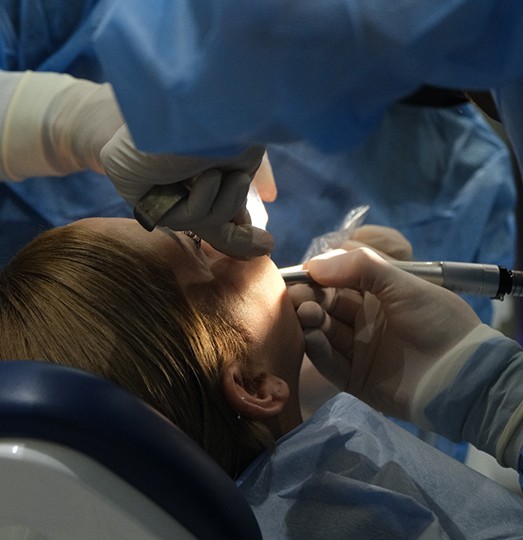
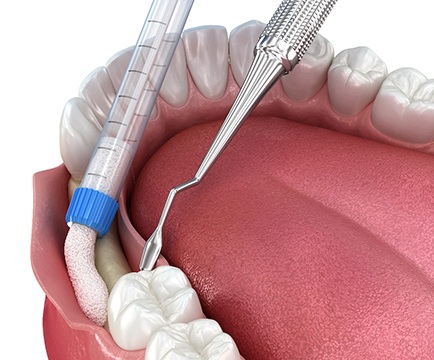
Bone grafting, also known as “bone augmentation,” involves putting extra bone material into the existing jaw structure. Over time, the new bone bonds with your jaw, allowing it to become stronger and larger. Ultimately, the goal is for it to successfully integrate with and support dental implants.
There are several different types of bone grafting. In some cases, a small amount of bone from another part of the patient’s body is used to fortify the jawbone. However, in other cases, donor bone or artificial materials can be used.
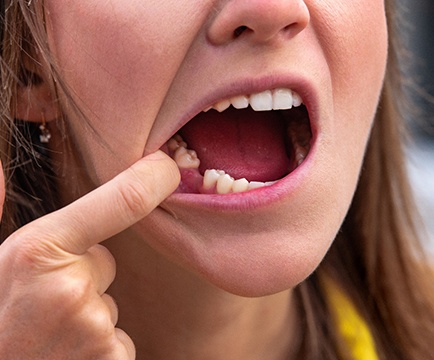
When you lose a tooth, the bone issue in your jaw starts to deteriorate. This is because it isn’t being stimulated by routine chewing and biting, causing the body to reabsorb the bone. If your jawbone isn’t sufficient enough, it is unable to reliably support a dental implant. This is why it is typically recommended to get a dental implant as soon as possible after a tooth is lost or extracted. Once your bone graft has healed, it will be strong enough to support a replacement tooth with confidence.

The initial recovery process after a bone graft takes approximately a week, but the graft itself needs at least three months to heal. Larger bone grafts may take longer. You may experience tenderness, inflammation, and bruising as the area heals. You will be given specific guidelines for how to adjust your diet and lifestyle for optimal healing. Dental bone grafting has a very high success rate, so you can look forward to having a complete smile again!